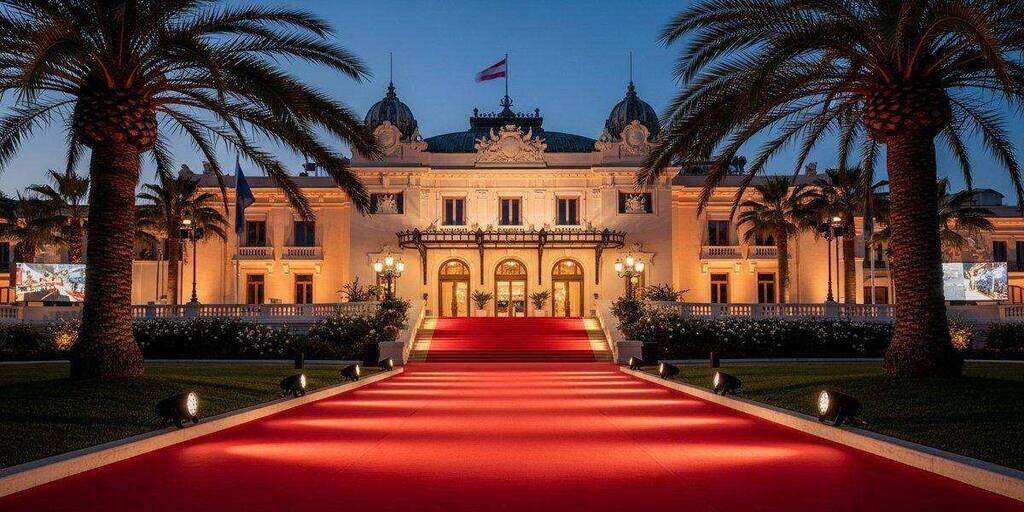
The Mediterranean film festival calendar runs year-round, tracing a circuit that mirrors the sea’s ancient trade routes: east in autumn, south in winter, west in spring, north in summer. For filmmakers, critics, and programmers, these festivals are not merely screening events; they are the marketplaces where deals are struck, reputations made, and the direction of Mediterranean cinema negotiated in real time.
Spring: Cannes (May)
The Festival de Cannes needs no introduction, but its importance for Mediterranean cinema deserves emphasis. Cannes has historically been the gateway through which Arab, North African, and Turkish cinema reaches international audiences. Youssef Chahine received his Lifetime Achievement here in 1997; Nuri Bilge Ceylan won the Palme d’Or in 2014; the Dardenne brothers have built their careers on the Croisette. For filmmakers from the southern Mediterranean, a Cannes selection — even in a sidebar — can transform a career overnight.
Summer: Locarno (August) and Sarajevo (August)
Locarno’s open-air screenings in the Piazza Grande draw eight thousand viewers per night, making it the most democratic of the major European festivals. Its programming skews experimental, and its talent-spotting record is extraordinary. Sarajevo, meanwhile, has become the essential festival for Balkan and southeastern Mediterranean cinema, combining competitive sections with an industry platform that has helped launch dozens of careers in the region.
Autumn: Venice (September) and Carthage (October–November)
Venice — the oldest film festival in the world — competes directly with Cannes for major premieres and has become increasingly important for Mediterranean filmmakers seeking the Golden Lion. The Journées Cinématographiques de Carthage (JCC) in Tunis, founded in 1966, remains the most important festival dedicated to Arab and African cinema. Its biennial Tanit d’Or prize has been awarded to some of the most significant films in Mediterranean cinema history.
Winter: Marrakech (November–December) and Cairo (November)
The Marrakech International Film Festival, founded in 2001 with the support of King Mohammed VI, has rapidly become a major event, attracting Hollywood stars and arthouse auteurs in equal measure. Its Tribute section has honored Chahine, Scorsese, and Coppola. The Cairo International Film Festival — the oldest in Africa and the Middle East, founded in 1976 — has weathered political upheaval to remain a vital meeting point for Egyptian cinema and the wider Arab film world.
Year-Round: Thessaloniki, Istanbul, Beirut
The Thessaloniki International Film Festival (November) is the most important in the Balkans; the Istanbul Film Festival (April) showcases Turkish cinema’s remarkable creative surge; and Beirut’s various film events — fragmented by Lebanon’s political complexity but sustained by the city’s inexhaustible cultural energy — continue to defy the odds.
Together, these festivals form a circuit that mirrors the Mediterranean itself: competitive, interconnected, and sustained by the conviction that cinema is not merely entertainment but a form of cultural diplomacy that speaks louder than any political declaration — a conviction shared by the women directors reshaping the region’s cinema.